
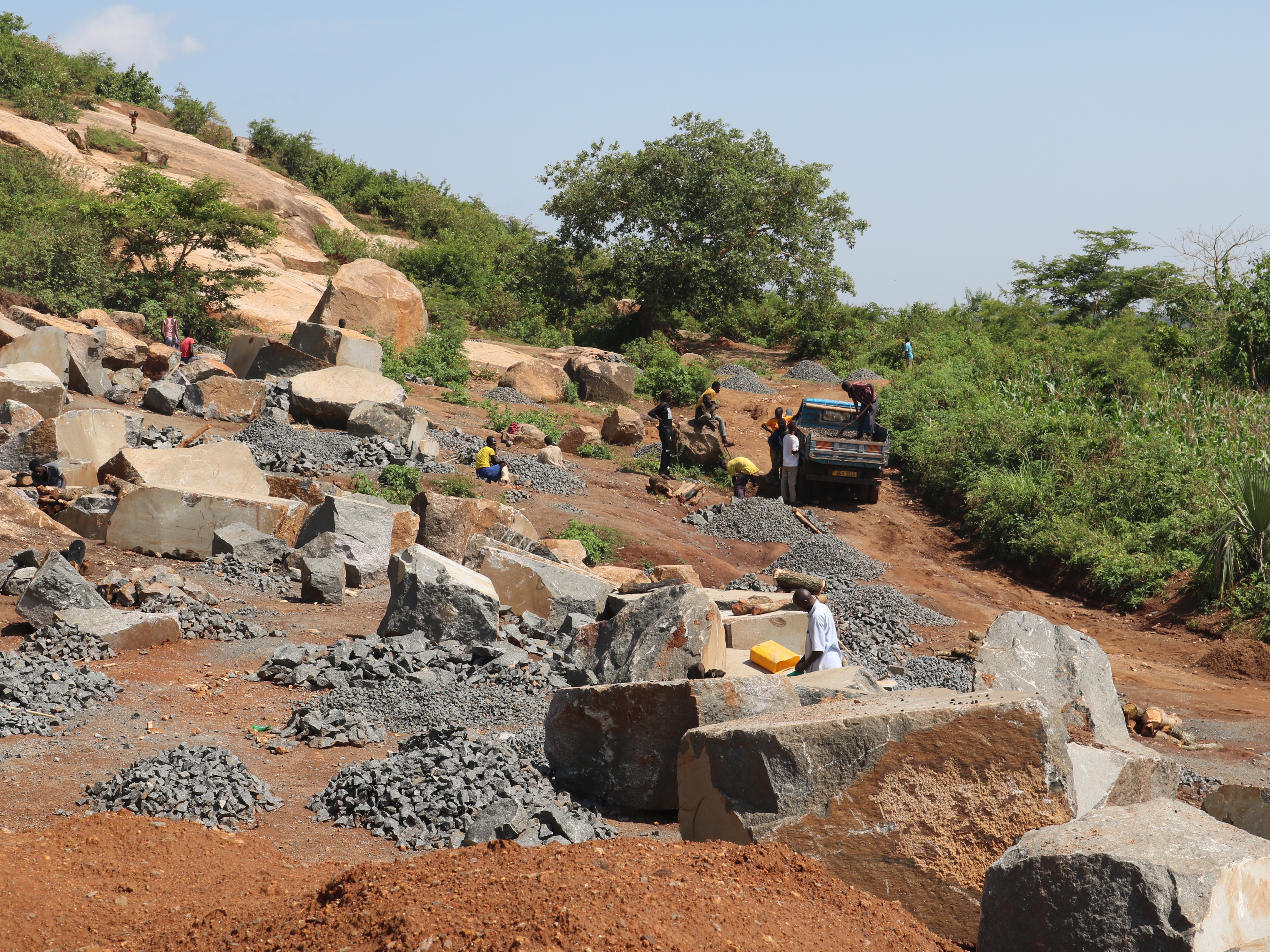
For decades, Uganda's mineral sector was synonymous with artisanal, small-scale operations. From the gold fields of Karamoja to the tin mines of Ntungamo, thousands of Ugandans relied on rudimentary methods. While economically essential for local communities, these operations lacked capital, safety standards, and environmental oversight. Recognizing the massive untapped potential, the Government of Uganda has initiated a transformative shift, prioritizing the transition of the sector into a fully formalized, commercial industry.
This strategic move is not merely about increasing output; it is about leveraging national resource wealth—specifically critical and industrial minerals like gold, copper, cobalt, and rare earth elements—to drive sustainable economic industrialization.
1. Modernizing the Extraction Landscape
The first major hurdle in this transition is modernizing the extraction process itself. Traditional artisanal mining is extremely labor-intensive and often inefficient. To compete globally and attract significant investment, Uganda must integrate advanced geological survey data and efficient extraction methods. By modernizing, the sector can improve safety protocols and maximize the yield from identified deposits. This transition converts the industry from individual survival efforts into structured, state-sanctioned, commercial operations.
2. Investing in Local Beneficiation and Value Addition
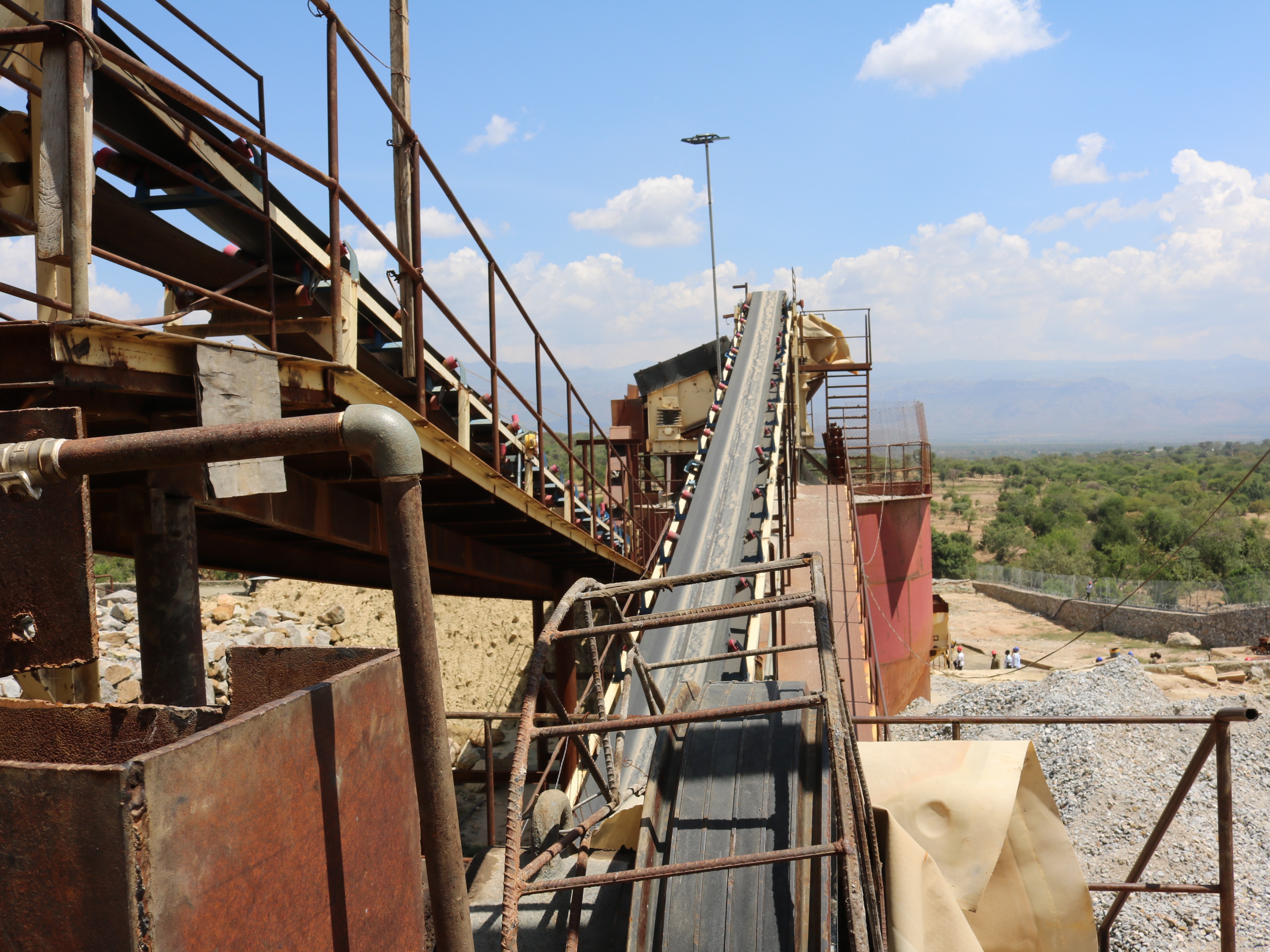
A core pillar of the government's strategy—emphasized by the Uganda National Mining Company (UNMC)—is breaking the historical cycle of exporting unprocessed raw minerals. True wealth generation lies in value addition. Uganda is actively investing in domestic beneficiation facilities, ensuring that minerals are concentrated, smelted, and refined within the country before export.
This industrial push requires significant infrastructure investment, including specialized processing plants and consistent energy supply. (Example: The development of gold refineries in Kampala or the rehabilitation of the Kilembe copper mines.) By processing minerals locally, Uganda retains the industrial jobs, the technology transfer, and the substantial revenue that was previously lost to foreign processing centers.
3. Securing Long-Term Environmental Stewardship
Perhaps the most critical component of formalization is responsible governance and environmental sustainability. While artisanal mining often leaves behind mercury pollution and unregulated open pits, formalized commercial mining must operate under strict Environmental, Social, and Governance (ESG) criteria.
The transition requires a clear regulatory framework—established by the new mining legislation—that enforces progressive reclamation. This means mining companies are legally obligated to restore land concurrently with extraction. The final objective is not just a successful mine, but a rehabilitated landscape that can be returned to community use, biodiversity, or agriculture once the mineral lifecycle is complete. This commitment ensures that Uganda’s mineral wealth does not come at the cost of its environmental future.